MADOU YENOU BEADED AND WOODEN THRONE
€18,980.00
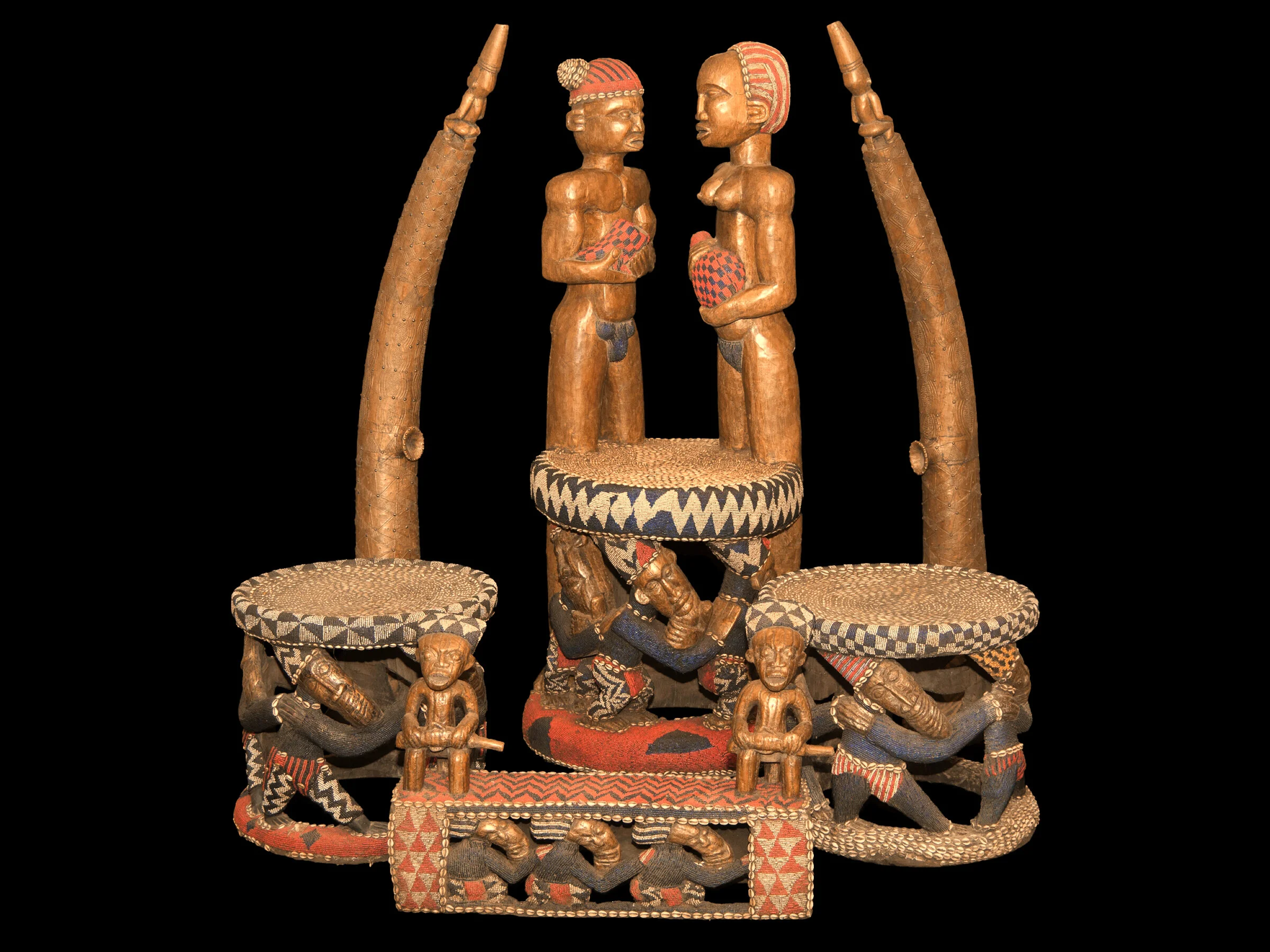
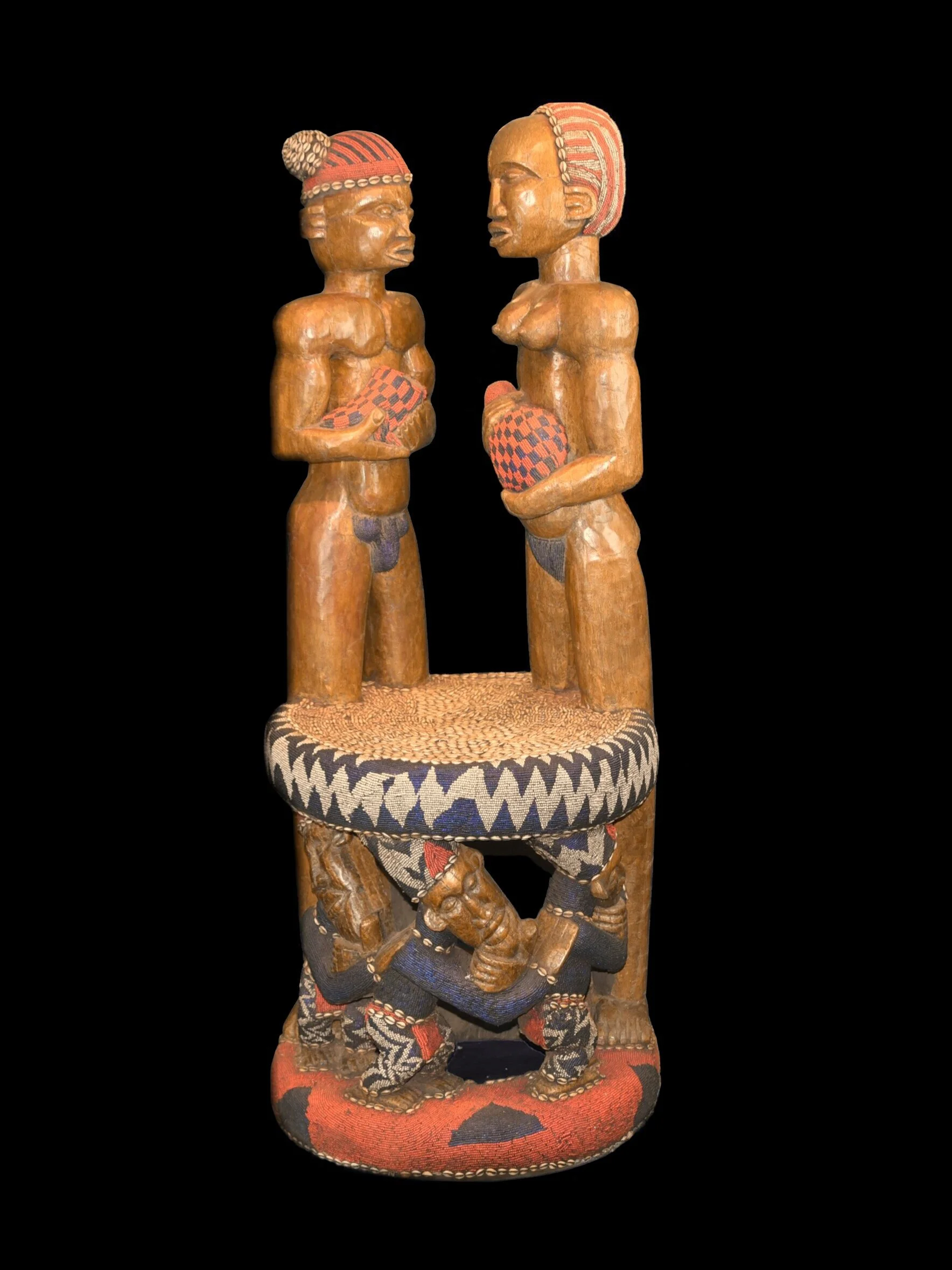
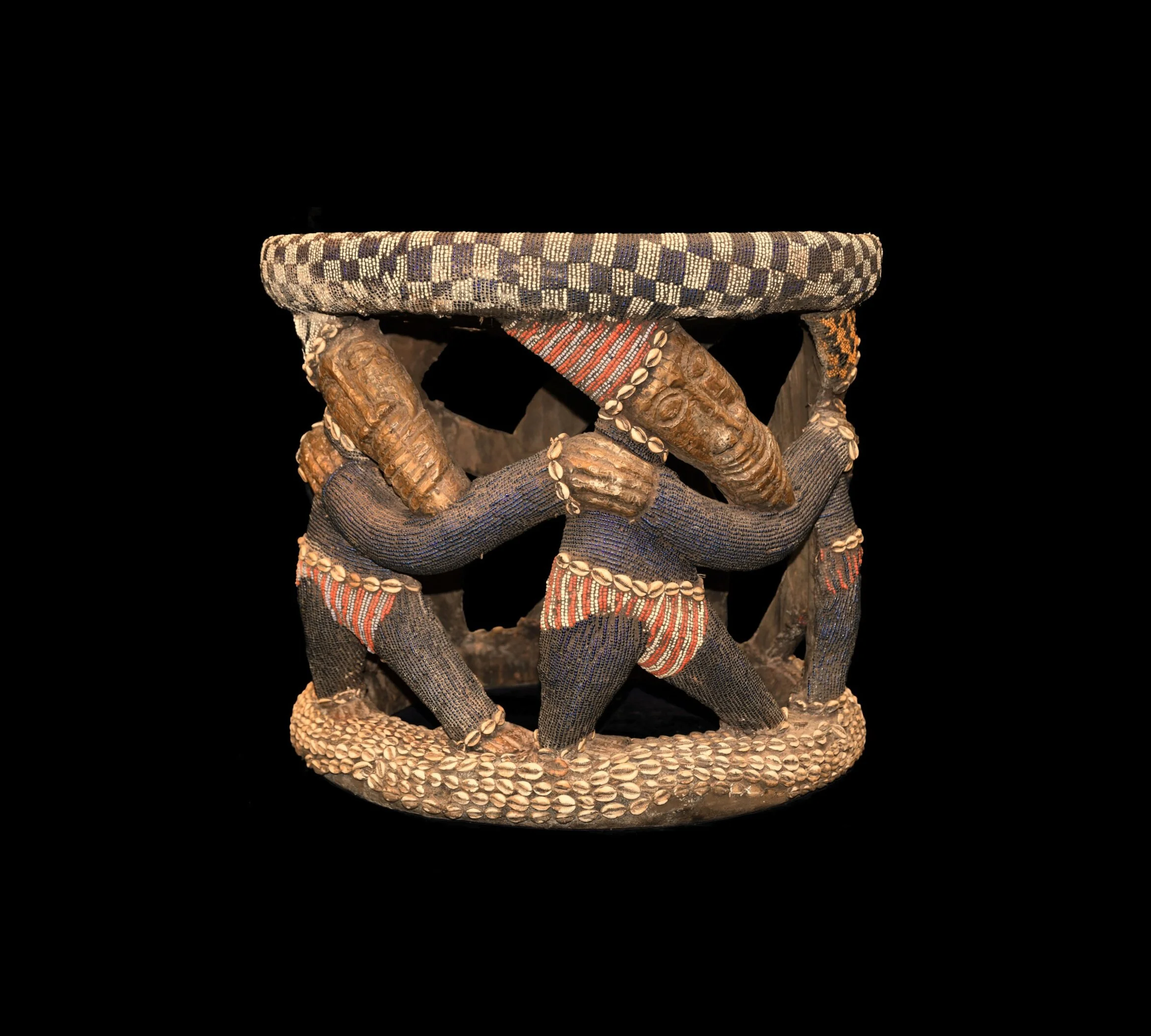
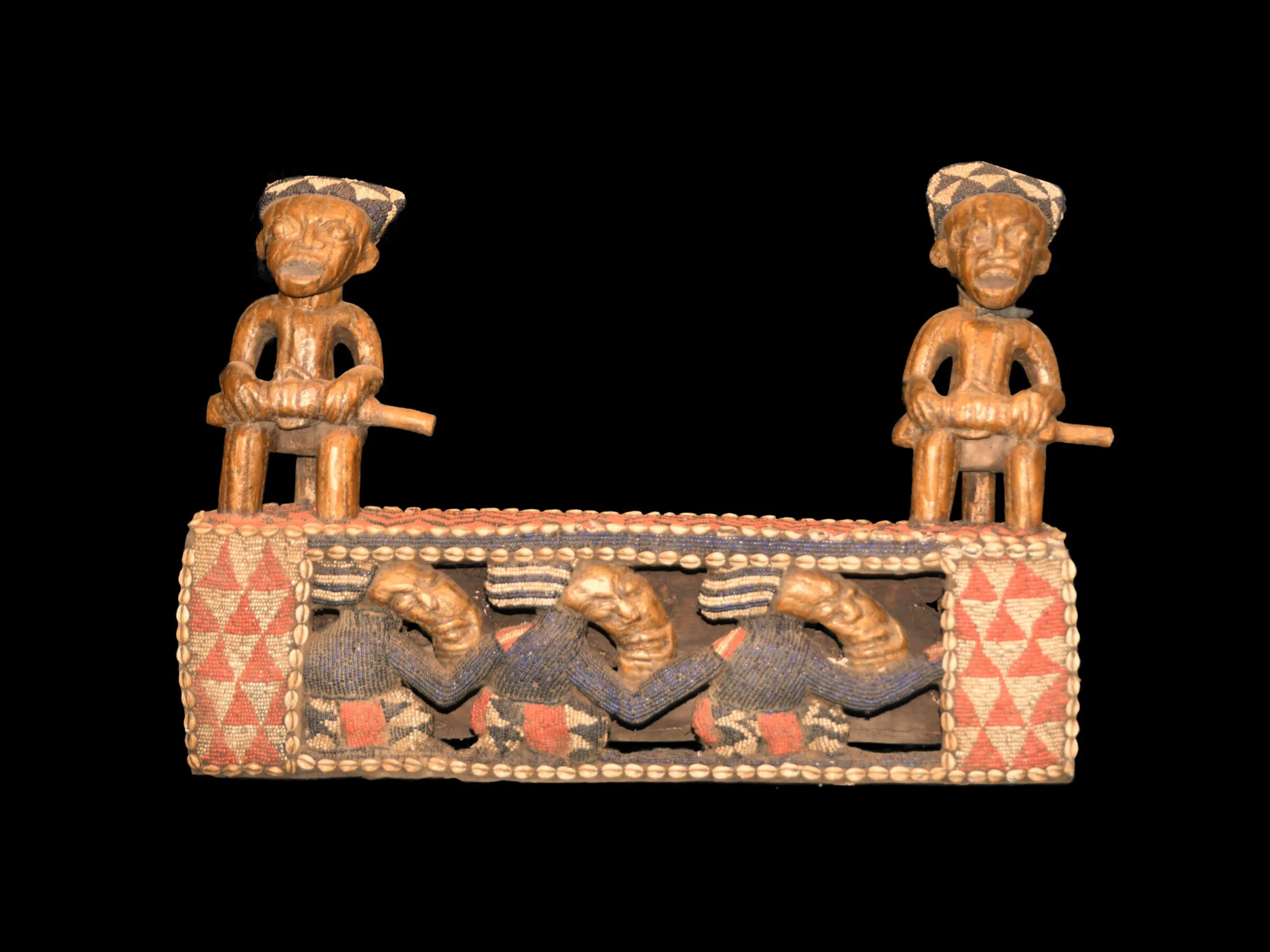
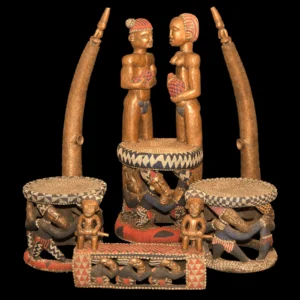
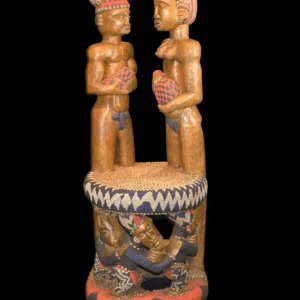
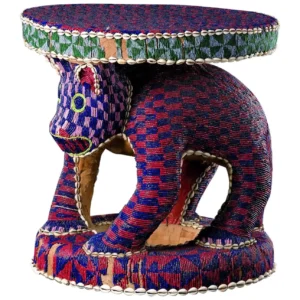
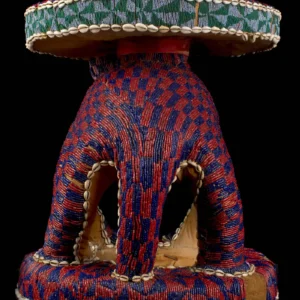
Madou Yenou Beaded and Wooden Throne is an authentic Bamoun royal artifact crafted from wood, beads, bronze, and cowrie shells. A museum-grade ceremonial throne with deep historical significance, ideal for collectors, exhibitions, and luxury interior design.
Please note that the listed price is open to negotiation. We welcome serious offers and are happy to discuss pricing to reach a mutually beneficial agreement. Kindly CLICK HERE to contact us directly to make an offer or for further inquiries regarding this item.
 Authentic Heritage
 Easy Access
 Preserved Artifacts
 Daily Experience
 Trusted Institution
BUY MADOU YENOU BEADED AND WOODEN THRONE AUTHENTIC BAMOUN ROYAL ARTIFACT BAMOUN ROYAL MUSEUM
Buy Madou Yenou Beaded and Wooden Throne from Bamoun Royal Museum, a rare and historically significant royal artifact from the Cameroon Grassfields. This exceptional throne represents centuries of Bamoun royal tradition, craftsmanship, and cultural authority, making it one of the most important forms of African royal art.
Crafted from wood and richly decorated with polychrome beads, bronze cladding, and cowrie shells, this throne embodies prestige, power, and spiritual symbolism. With an impressive height of 194 cm, it stands as a commanding centerpiece for collectors, museums, and luxury interior spaces.
This museum-grade throne is ideal for art collectors, cultural institutions, exhibitions, and high-end interior designers seeking authentic African royal artifacts with strong provenance and historical depth.
WHAT IS MADOU YENOU BEADED AND WOODEN THRONE
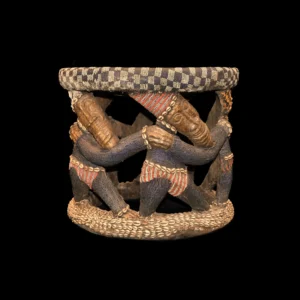
Madou Yenou Beaded and Wooden Throne is a ceremonial royal seat from the Bamoun Kingdom, traditionally associated with kingship, authority, and lineage continuity. These thrones are sacred objects that symbolize power, legitimacy, and cultural identity within the Bamoun society. They often incorporate anthropomorphic and zoomorphic elements that reflect spiritual beliefs, protection, and royal authority.
HISTORICAL SIGNIFICANCE OF MADOU YENOU THRONE
Few artistic works of Africa have garnered as much admiration as the beaded thrones from the Cameroon Grasslands. These multi-colored thrones, particularly those associated with King Nsangou and his son King Njoya Ibrahim, are considered masterpieces of African art and are preserved in major ethnographic museums across Paris, Geneva, Berlin, and other global cultural centers.
Research by scholars such as Claude Tardits, Christraud Geary, and Silvia Forni has revealed the central role these thrones played in Bamoun society. They were not only symbols of power but also integral to ceremonies, governance, and cultural identity within the kingdom.
The Madou Yenou tradition traces back to the reign of King Ngouloure in the 17th century. The name itself reflects a powerful narrative involving his wives Madou and Yenou, whose wisdom influenced royal succession. This story established a lasting tradition in which royal authority is symbolically supported by unity, balance, and lineage continuity.
HISTORICAL CONTEXT AND AFRICAN ART MARKET
During the reign of King Njoya Ibrahim from approximately 1886 to 1933, artistic production in the Bamoun Kingdom was highly centralized and controlled by the king. He determined what artworks were produced, how they were exchanged, and which artisans were involved, especially in interactions with European colonial authorities.
As European presence increased in the Grassfields, trade expanded and Bamoun art gained international recognition. This period saw the blending of artistic influences and the growth of a broader art market.
Following World War I, Cameroon came under French colonial rule, leading to major disruptions in traditional governance and artistic systems. Political tensions increased, and figures such as Mosé Yéyap emerged, challenging royal control over artistic production and establishing independent commercial networks. These changes transformed the African art market and influenced the production and distribution of cultural objects.
CREATION OF THE MADOU YENOU THRONES
After the exile and death of King Njoya in 1933, King Seidou Njimoluh worked to restore Bamoun cultural identity and traditions. During this period of renewal, the Tikar chieftaincy of Rifum commissioned the creation of the Madou Yenou thrones.
The work was entrusted to Njikam Isidore, a master sculptor and descendant of the renowned artist Nji Gbetom Salifou. Following Bamoun tradition, two thrones were created simultaneously between 1945 and 1946. One served as the primary throne, while the second acted as a safeguard.
The striking similarities between the two thrones, including posture, facial features, and traditional design elements, confirm their place within the established Bamoun tradition of dual throne creation.
ORIGIN OF THE NAME MADOU YENOU
The name Madou Yenou originates from a historical account during the reign of King Ngouloure. Before his death, a decision regarding succession highlighted the wisdom of Madou, who chose stability for the kingdom over personal advantage.
King Koutou later honored this act by naming the royal throne Madou Yenou and declaring that his authority would symbolically rest upon this legacy. This tradition continued through generations and contributed to the rise of powerful rulers such as King Mbuombouo, who expanded Bamoun influence across the Grassfields.
PROVENANCE AND AUTHENTICITY
Provenance Njikam Isidore sculptor
Origin Ex Bakime Royal Palace Tikar
This throne is attributed to Njikam Isidore, a master sculptor from a respected Bamoun artisan lineage. It reflects authentic craftsmanship, traditional techniques, and cultural accuracy passed down through generations.
WHY BUY MADOU YENOU BEADED AND WOODEN THRONE
Authentic Bamoun royal artifact with documented provenance
Museum-grade African cultural heritage piece
Handcrafted using traditional methods
Rich beadwork, bronze cladding, and cowrie shell detailing
Rare ceremonial throne with deep symbolic meaning
Ideal for collectors, museums, and exhibitions
Secure international shipping and professional handling
KEY FEATURES OF MADOU YENOU BEADED AND WOODEN THRONE
Wood structure with beadwork, bronze cladding, and cowrie shells
Height approximately 194 cm
Traditional Bamoun royal design
Anthropomorphic and symbolic decorative elements
Handcrafted by skilled artisans
Origin from Cameroon Grassfields
High ethnographic and historical value
CULTURAL AND ARTISTIC VALUE
These thrones are widely regarded as crown jewels of African ethnographic collections. Their intricate beadwork, symbolic imagery, and structural complexity reflect one of the highest forms of African artistic achievement.
They combine aesthetics with meaning, representing authority, protection, and spiritual continuity within Bamoun culture. The Madou Yenou throne stands as a powerful expression of royal prestige and artistic excellence.
DECOR AND DISPLAY VALUE
This throne is ideal for:
Museum exhibitions
Luxury architectural interiors
Cultural heritage collections
Private art collections
High-end design projects
Its scale and craftsmanship make it a powerful centerpiece in any setting.
QUALITY AND AUTHENTICITY
This Madou Yenou throne reflects traditional craftsmanship and authentic materials. The beadwork, structure, and symbolism align with Bamoun royal artistic traditions, ensuring cultural accuracy and historical value.
STORAGE AND HANDLING
Display in a dry and stable environment
Avoid moisture and humidity exposure
Handle with care due to historical materials
Best suited for indoor display
FREQUENTLY ASKED QUESTIONS
What does Madou Yenou mean
It refers to a royal tradition symbolizing unity and succession in the Bamoun dynasty
Is this an authentic artifact
Yes it is a culturally accurate and historically grounded royal throne
Where does this throne originate
It originates from the Bamoun and Tikar regions of Cameroon
Can it be used as furniture
It is a ceremonial and display artifact not intended for daily use
ORDER MADOU YENOU BEADED AND WOODEN THRONE TODAY
Own a rare piece of African royal heritage with the Madou Yenou Beaded and Wooden Throne from Bamoun Royal Museum. This exceptional artifact represents power, tradition, and cultural legacy, making it a valuable addition to any serious collection or luxury interior.
Be the first to review “MADOU YENOU BEADED AND WOODEN THRONE”
Related products
Royal Bamoun Art & Cultural Treasures
Royal Bamoun Art & Cultural Treasures
Royal Bamoun Art & Cultural Treasures
Royal Bamoun Art & Cultural Treasures
Royal Bamoun Art & Cultural Treasures
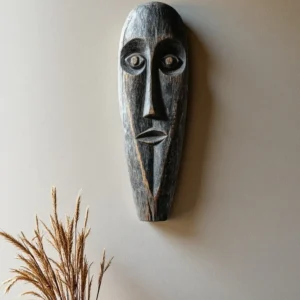
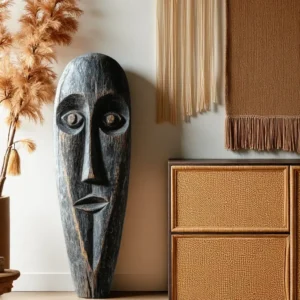
Decorative African Wall Mask – Modern art – Afrocentric Home Decor
Royal Bamoun Art & Cultural Treasures
Royal Bamoun Art & Cultural Treasures
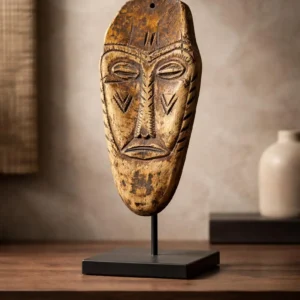
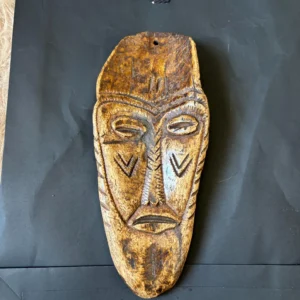
African Hand Carved Wooden Mask – Primitive Tribal Wall Art Ethnographic Decor
Royal Bamoun Art & Cultural Treasures
Reviews
There are no reviews yet.