About Bamoun Royal Museum
History, Heritage and Cultural Legacy of the Bamoun Kingdom
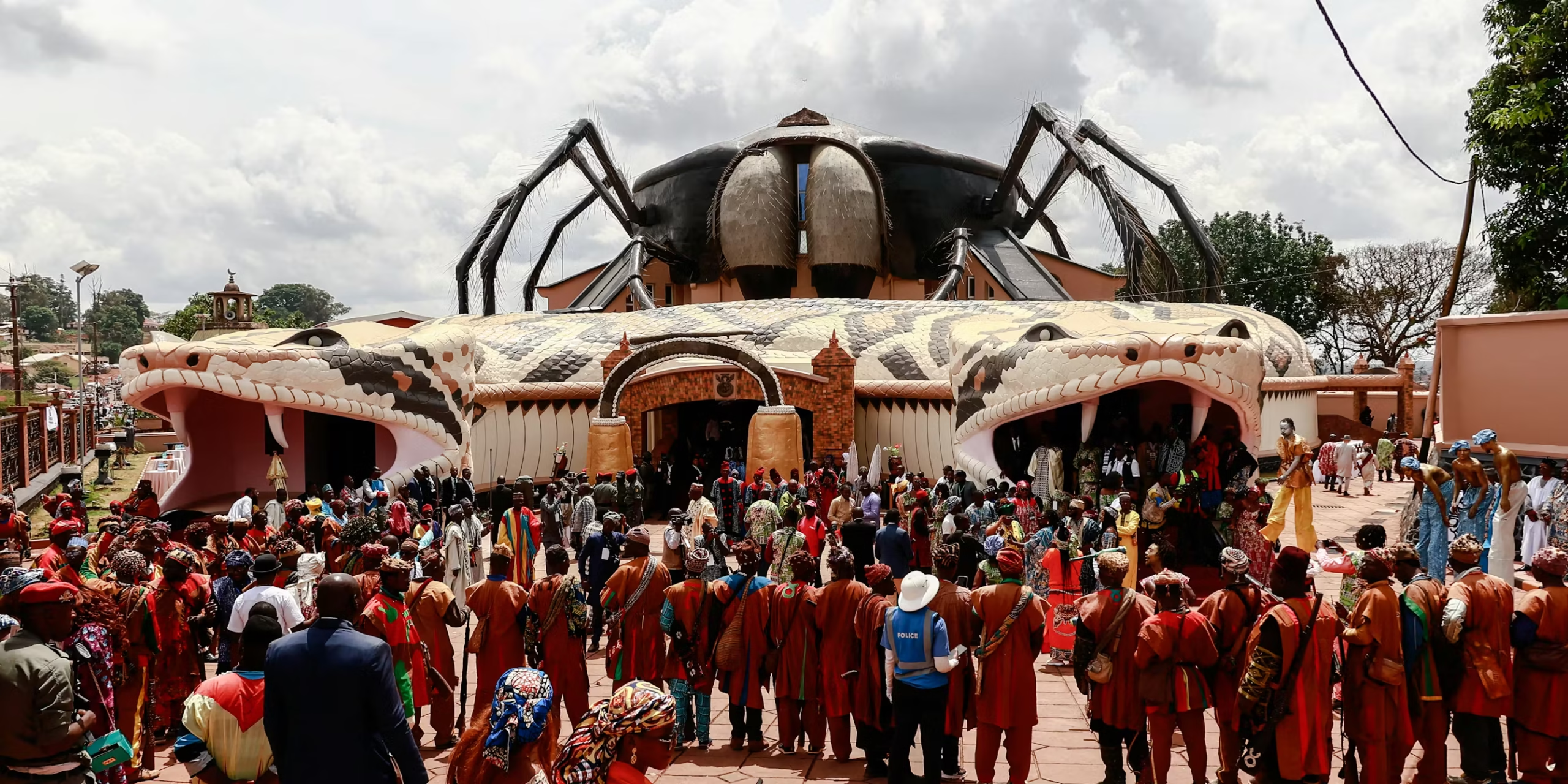
The Bamoun Royal Museum is the official cultural institution responsible for the preservation, documentation, and exhibition of the historical heritage of the Bamoun Kingdom in Cameroon. Located in Foumban, beside the Royal Palace, it represents one of the most significant heritage institutions in Central Africa and serves as a key reference point for the study of African royal civilizations.
The museum preserves and presents the cultural identity of the Bamoun people, whose kingdom was founded in 1394 by Mfon Nshare Yen. With a continuous history spanning more than six centuries, the Bamoun Kingdom is recognized as one of the oldest surviving monarchies in Sub-Saharan Africa.
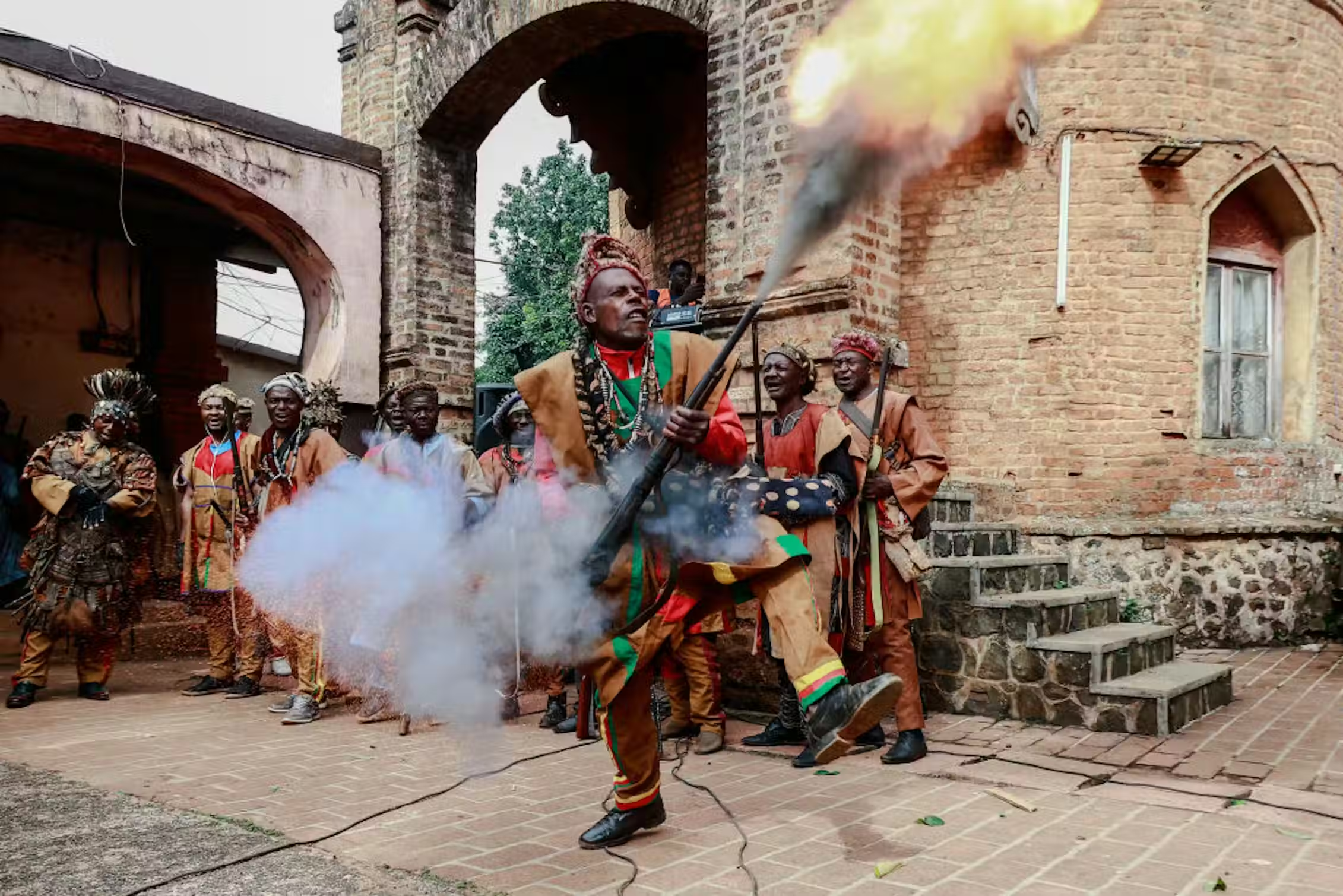
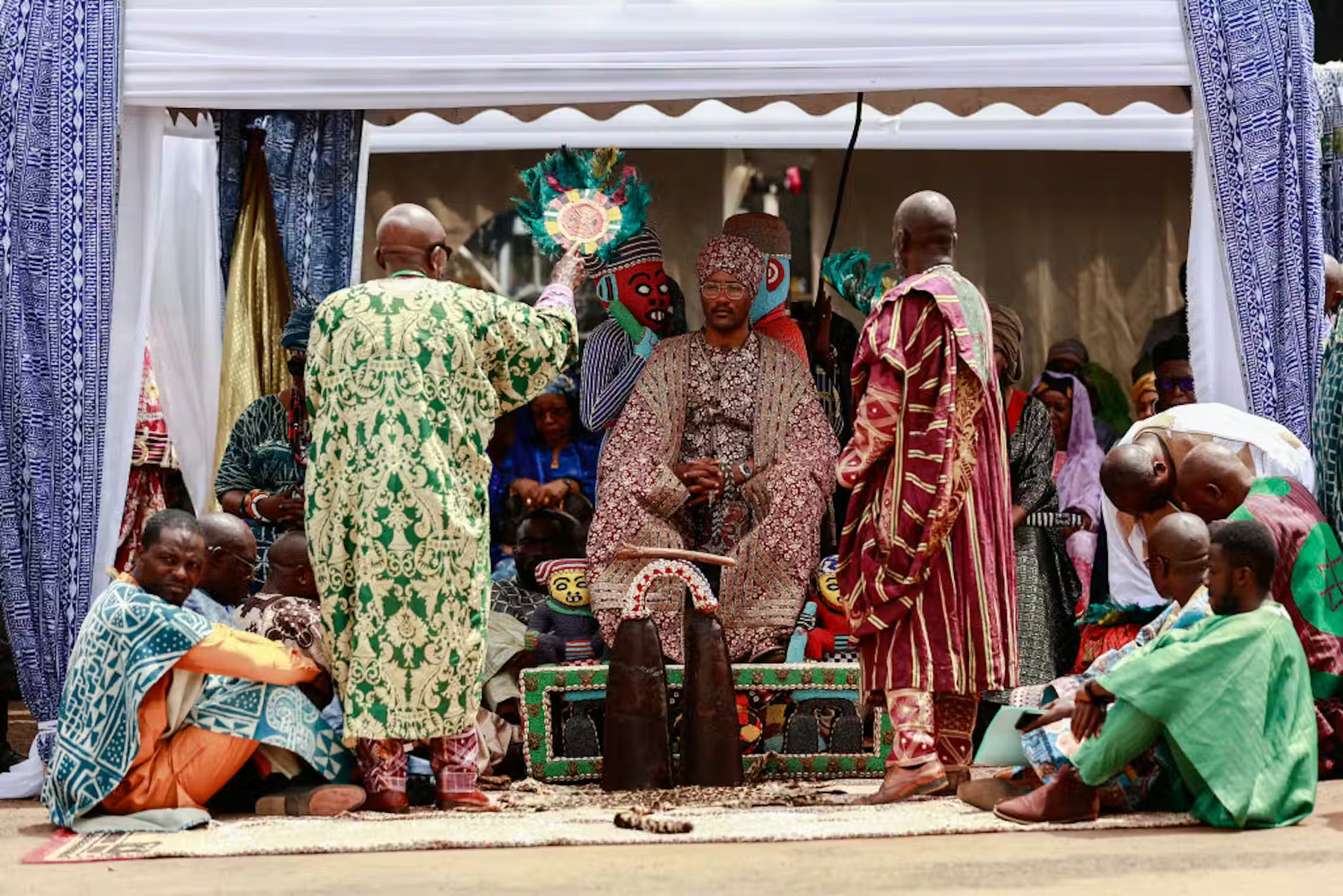
The Bamoun Royal Museum functions as a structured national archive of royal memory. It preserves artifacts that document governance systems, spiritual practices, artistic traditions, warfare history, and technological development within the Bamoun Kingdom.
Historically, royal heritage was preserved within the Bamoun palace system, later evolving into a formal museum structure for conservation and education.
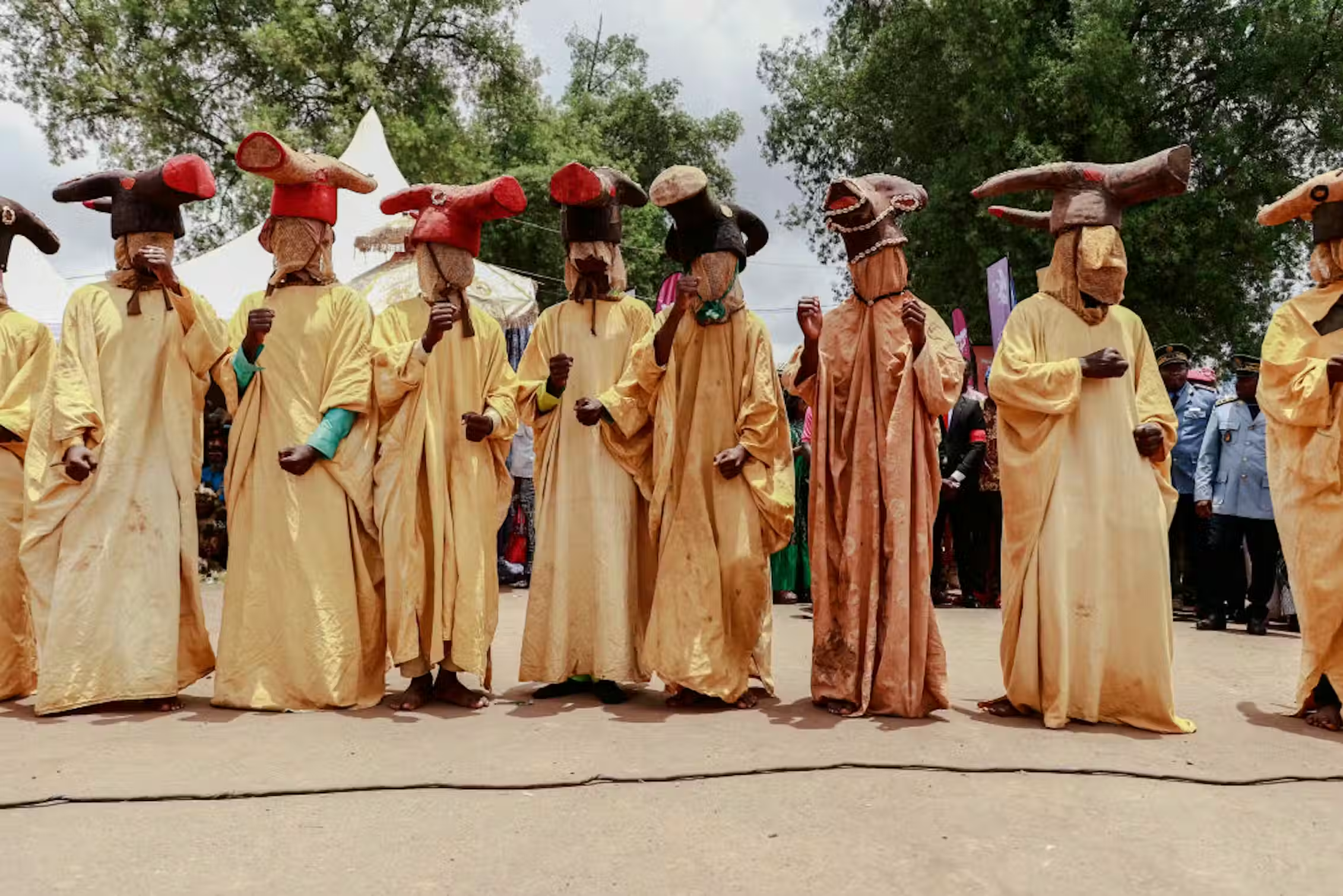
The museum contains royal thrones, crowns, ceremonial clothing, masks, ancestral objects, weapons, sculptures, pottery, textiles, and musical instruments representing Bamoun heritage.
Each artifact is preserved as a cultural document contributing to African royal history and indigenous knowledge systems.
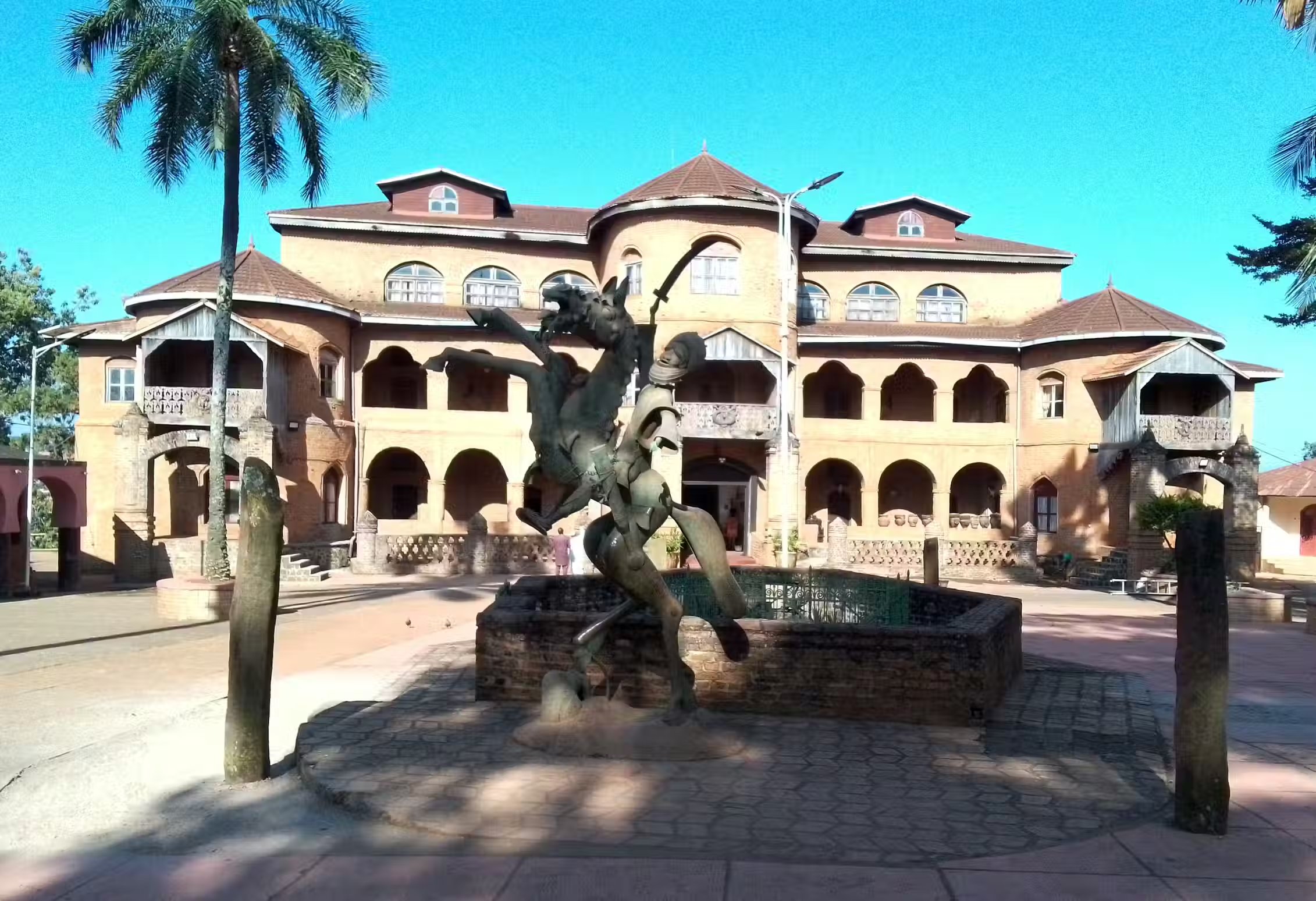
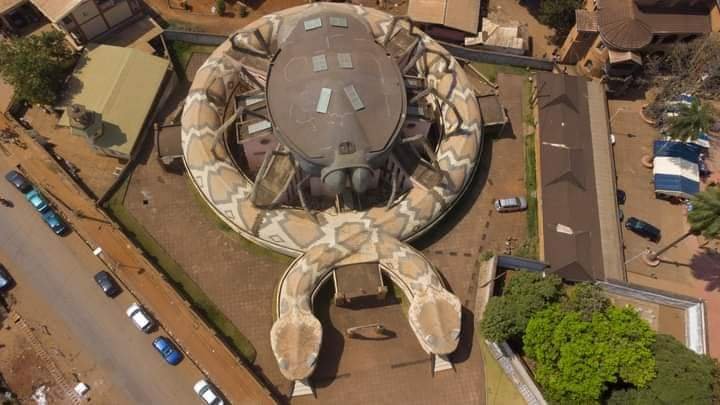
A central aspect of the museum is the legacy of Sultan Ibrahim Njoya, known for developing the Shümom writing system for governance and cultural preservation.
The museum supports cultural tourism, research, education, and preservation of Bamoun identity.
The Bamoun Royal Museum stands as a central institution in the preservation of African royal heritage.